Please note this post contains affiliate links.
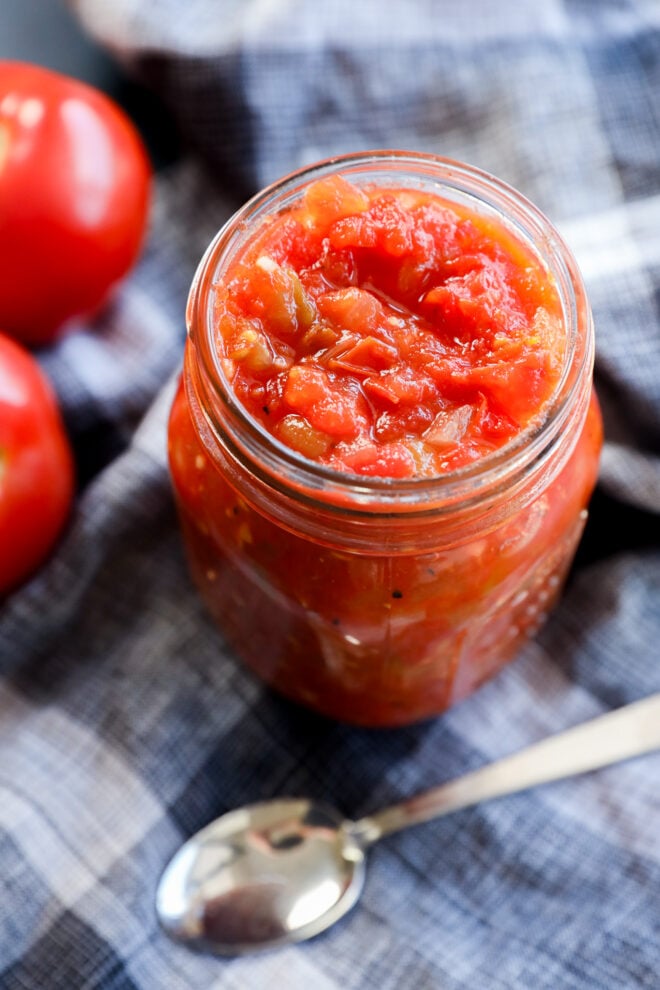
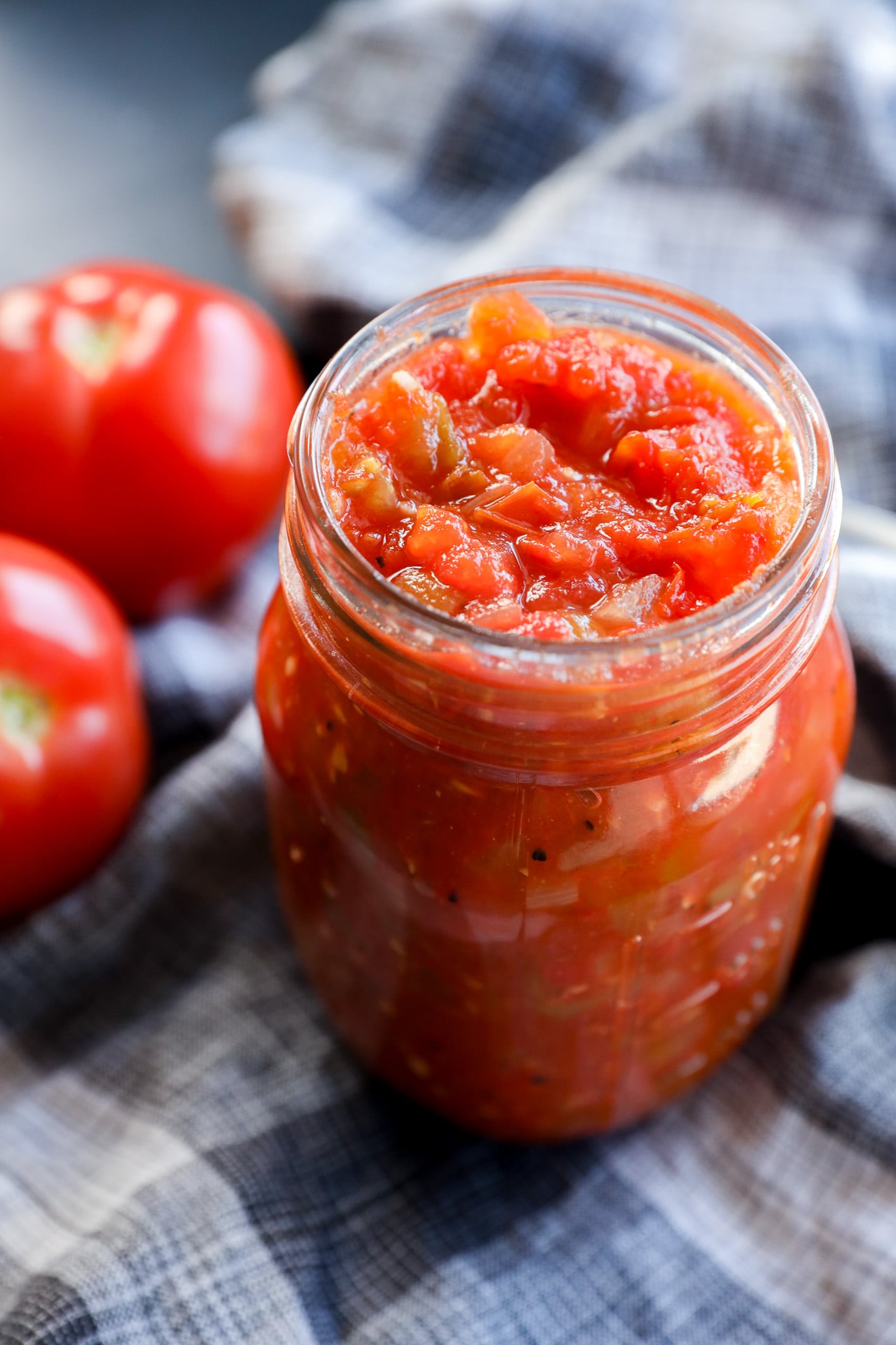
This tomato chutney is a Southwestern twist on the classic, made with ripe tomatoes, roasted Hatch green chiles, honey, cumin, and fresh lime juice. Thick, glossy, and packed with sweet-tangy-savory flavor with a little heat in the background. It comes together on the stovetop in under an hour with no canning required.
About This Tomato Chutney Recipe
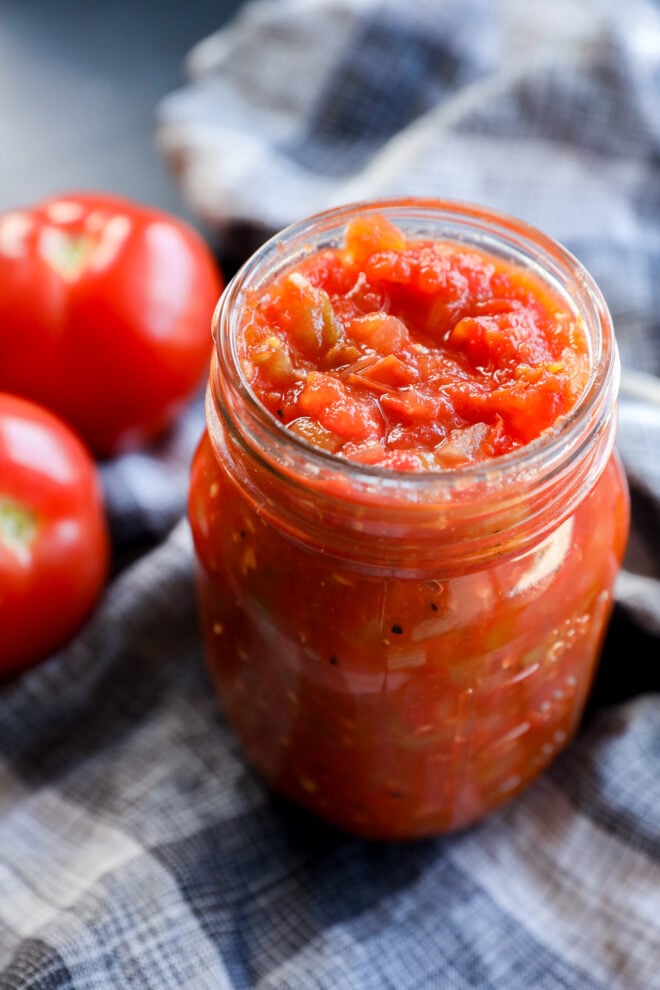
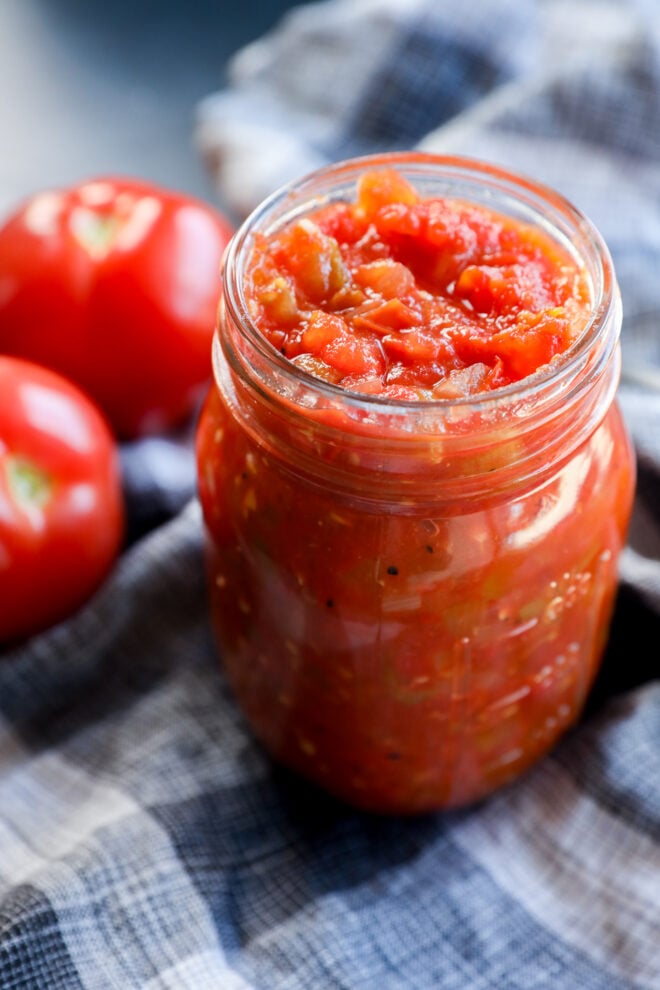
When tomato and Hatch chile season hit at the same time (usually August through September), this is my favorite way to use both at once. This fresh tomato chutney starts with a pan full of ripe tomatoes, onion, garlic, and roasted green chiles, then slowly cooks down until the ingredients barely resemble what you started with. The final texture is thick and relish-like, with plenty of smoky flavor from the chiles and just enough sweetness from honey to balance the acidity.
For the chiles, I recommend freshly roasted Hatch or Pueblo green chiles whenever you can get them. Hatch chiles come from New Mexico’s Hatch Valley, while Pueblo chiles are closely associated with Pueblo, Colorado. Both have that roasted, smoky chile flavor that makes green chile tomato chutney so good. Canned green chiles can work when fresh aren’t available, but they tend to be much milder, so keep that in mind when adjusting the spice level.
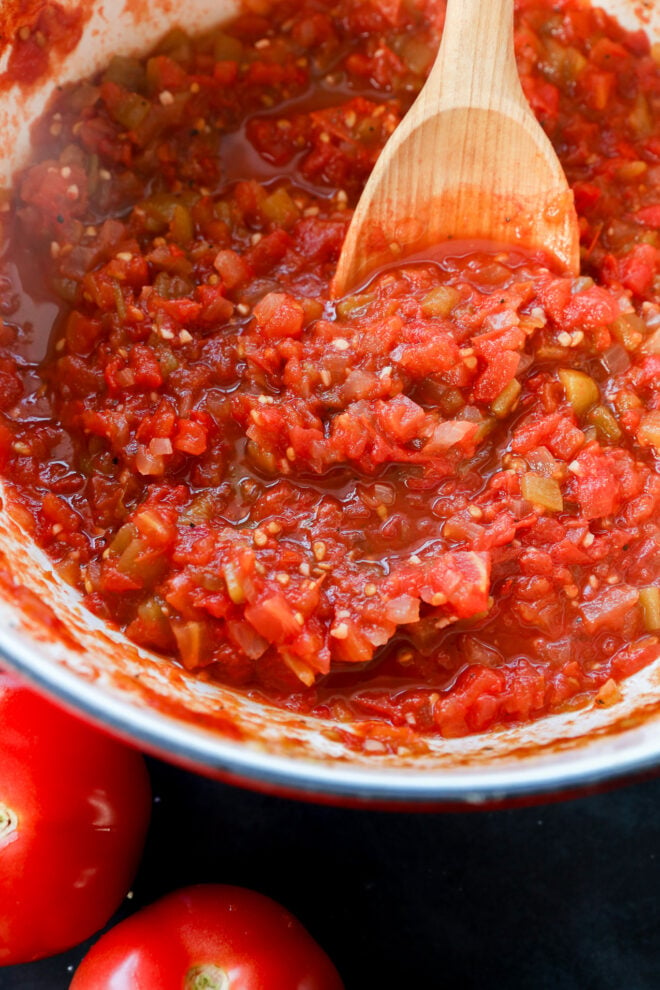
The key to homemade tomato chutney is giving it enough time in the pan. As the fresh tomatoes simmer over medium heat, they release their liquid before slowly reducing and concentrating. Keep it at a steady simmer and stir regularly until the chutney has reduced by about a quarter, turned deep red, and looks more like a thick store-bought relish than a chunky tomato sauce. If there’s still lots of loose liquid pooling in the pan, keep cooking.
Honey helps temper the acidity of the tomatoes and vinegar without turning the chutney into an overly sweet condiment. I also wait until the pan comes off the heat to stir in the lime juice. Cooking fresh citrus juice for too long can mute its brightness, so adding it last gives the finished chutney a fresh, tangy finish. Spoon it over eggs, grilled meats, tacos, sandwiches, or fries, add it to a cheese board, or tuck a jar into a homemade food gift. It’s the kind of versatile staple that’s handy to have waiting in the refrigerator.
Why You’ll Love This Recipe
- It makes good use of seasonal produce. When ripe tomatoes and fresh green chiles are everywhere, you can turn a generous batch into something you’ll use for meal after meal.
- You don’t need complicated equipment. Everything cooks in a single pan with basic kitchen tools.
- It’s easy to adjust. You can make the chutney hotter, sweeter, smokier, or more warmly spiced without changing the basic method.
- There are so many ways to eat it. Instead of making a condiment that sits forgotten in the refrigerator, you’ll find yourself reaching for this one at breakfast, lunch, dinner, or when you need easy snacks.
- The recipe is naturally make-ahead friendly. The flavors have time to settle together as it chills, so it’s a handy sauce to keep ready for busy meals.
- Roasted Hatch or Pueblo green chiles add smoky Southwestern flavor you won’t find in traditional chutneys.
ingredients
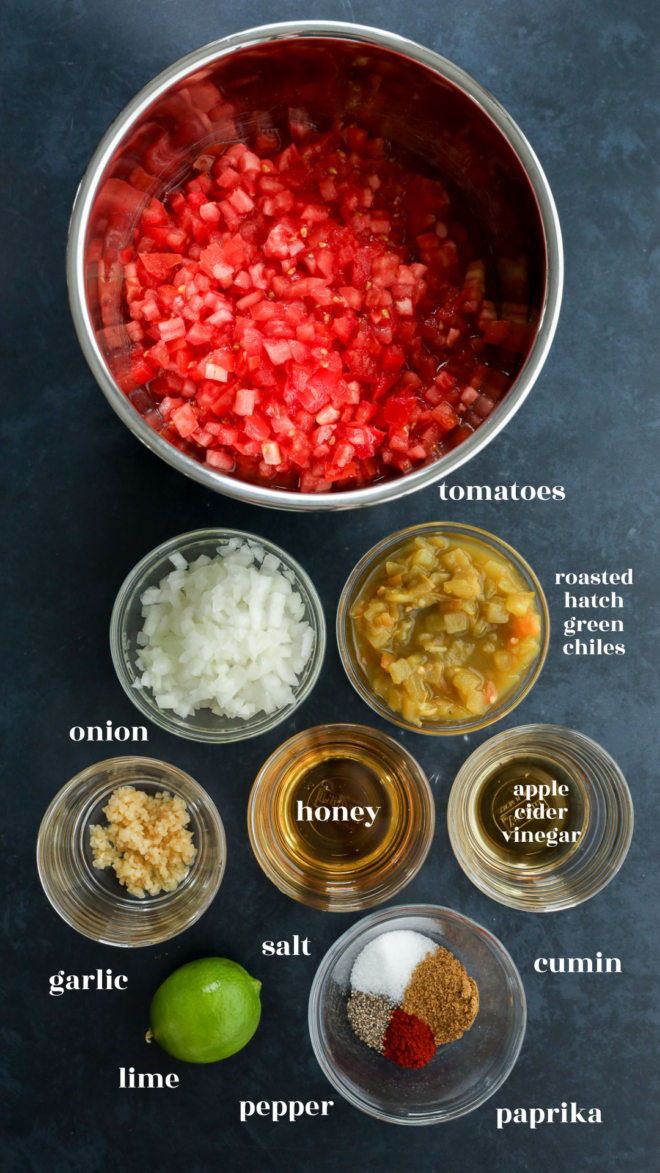
Tomatoes. Fresh tomatoes are my first choice, especially when they’re ripe and in season. Dice them finely, and as uniformly as you can so they break down at the same rate. If fresh tomatoes aren’t at their best, fire-roasted canned tomatoes are an option for a smokier variation.
Yellow onion. Finely dice the onion so you don’t end up with large pieces in the finished chutney. Yellow onion works well here, but a sweet onion is also a good substitute if that’s what you have.
Roasted green chiles. Freshly roasted Hatch or Pueblo green chiles are the star of this tomato chutney. Hatch chiles come from the Hatch Valley in New Mexico and are typically available August through September at grocery stores like Whole Foods, Sprouts, and King Soopers (many stores even host chile roasting events). Pueblo chiles come from Colorado and are a close cousin with the same smoky flavor. Peel and chop them before adding to the pan. If fresh chiles aren’t available, use two 4-ounce cans of diced green chiles, drained thoroughly. The canned version will be noticeably milder, so you may want to add a pinch of extra paprika or a fresh jalapeño for more heat.
Garlic. Finely mince fresh garlic cloves so they distribute evenly throughout the chutney. Fresh garlic is preferable here because you want those subtle hints of garlic running through the finished sauce without large pieces.
Apple cider vinegar. Apple cider vinegar brings the acidity needed to balance the tomatoes and honey. I wouldn’t swap it for something strongly flavored, but white wine vinegar can work if that’s what you already have.
Honey. Use your favorite plain honey for this recipe. For a deeper sweetness, you can substitute brown sugar, although it will give the chutney a slightly more molasses-forward flavor. It also incorporates easier than white sugar.
Spices and seasonings. You’ll need ground cumin, paprika, kosher salt, and freshly cracked black pepper. Taste after the chutney has finished cooking and adjust the spices and salt rather than adding too much at the beginning.
Lime. Use fresh lime juice and add it only after removing the pan from the heat. Bottled lime juice won’t have quite the same fresh citrus flavor.
Seasonal Tip: Fresh tomato chutney is especially good in late summer when tomatoes are at their peak. Look for ripe tomatoes that feel heavy for their size and have a rich tomato aroma—they’ll give the chutney the best flavor and require less time to cook down.
this recipe’s must-haves
You’ll need a large saucepan or skillet with enough room for the tomatoes to simmer and reduce without splattering everywhere. A wider pan can also help excess liquid evaporate as the chutney cooks.
Grab a sharp knife and cutting board for finely dicing the tomatoes, onion, and peppers, along with a wooden spoon or heat-safe spatula. You’ll be stirring regularly, particularly as the chutney gets thicker.
Finally, have a few airtight jars or containers ready if you aren’t serving the chutney immediately. These are for refrigerated storage rather than shelf-stable canning.
How to Make Hatch Green Chile Tomato Chutney (Step-by-Step)
Combine
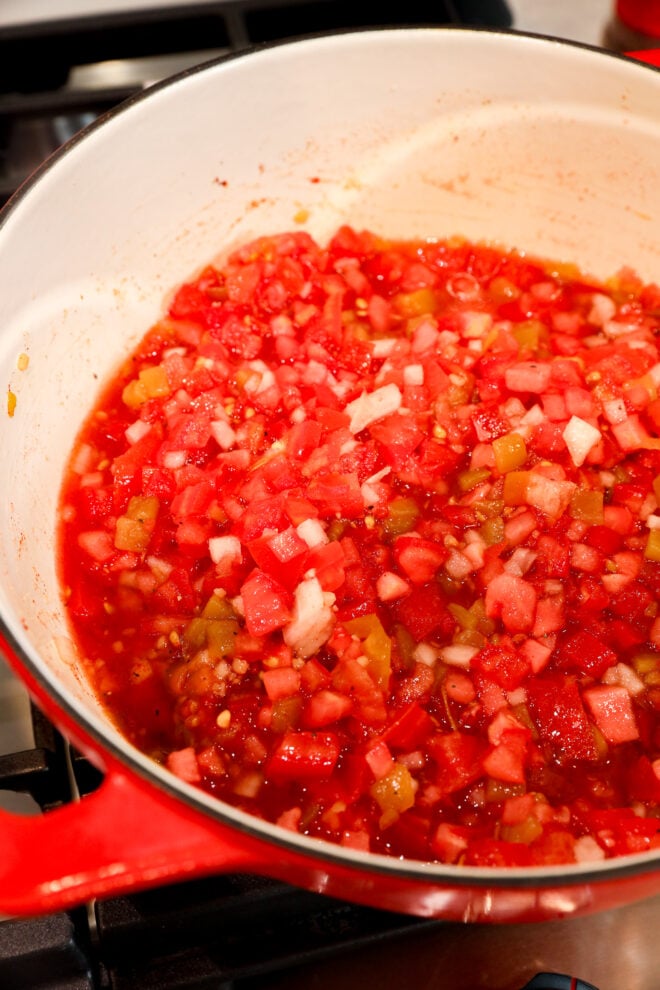
Add the tomatoes, onion, roasted green chiles, garlic, apple cider vinegar, honey, cumin, kosher salt, paprika, and black pepper to a large saucepan or skillet. Stir everything together until the ingredients are evenly combined.
Simmer
Bring the mixture to a simmer over medium heat. Stir every couple of minutes so the natural sugars in the tomatoes and honey don’t catch on the bottom of the pan.
Reduce
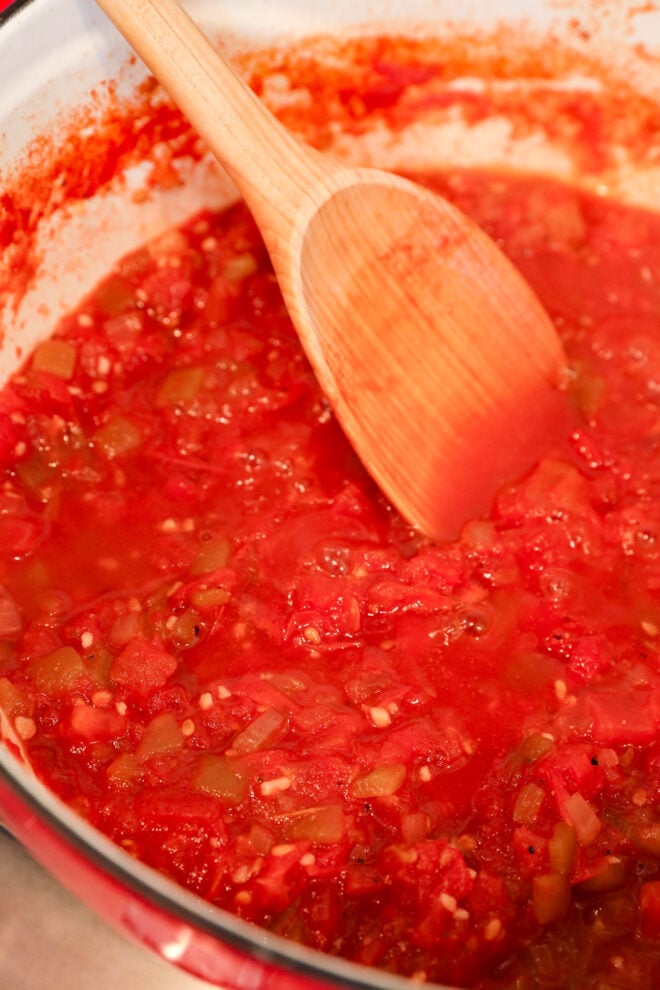
Continue cooking for about 30 to 45 minutes, adjusting to medium-low heat as needed to maintain a steady simmer. The chutney should reduce by about a quarter, deepen considerably in color, and become thick and relish-like.
Don’t rely only on the clock here. If the mixture still looks watery when you drag your spoon through the pan, give it more time. The finished chutney should look thick rather than like a loose tomato sauce.
Finish
Remove the pan from the heat and stir in the fresh lime juice. Taste, then adjust the salt, pepper, cumin, or paprika as needed.
Cool
Serve the tomato chutney warm or let it cool completely to room temperature before transferring it to an airtight container. Refrigerate until you’re ready to use it.
Tips for Success
- Cut your ripe tomatoes into small, similarly sized pieces so they soften and reduce evenly.
- Don’t walk away from the pan for long. Stirring every few minutes becomes particularly important toward the end of cooking as the chutney thickens and the sugars become more concentrated.
- Use texture and color as your doneness test. You’re looking for a deep red chutney with the consistency of a thick relish and very little loose liquid.
- If the chutney still seems watery after 30 minutes, keep simmering. Tomato varieties contain different amounts of moisture, so your batch may need closer to 45 minutes.
- If the chutney starts sticking before the tomatoes have had enough time to soften, add a splash of water and stir well before continuing to cook.
- Stir the lime juice in after taking the pan off the heat. This keeps its fresh citrus flavor from fading during cooking.
- Do your final taste and seasoning check after adding the lime. Acidity changes the way salt and spices taste, so this is the best time to make small adjustments.
- Drain canned green chiles very well if you’re using them instead of freshly roasted peppers. They will also be noticeably milder than fresh Hatch or Pueblo chiles.
- If you’re stocking up during Hatch chile season (late August through September), roast a big batch of chiles at once and freeze what you don’t use. Peeled and chopped roasted chiles freeze beautifully for up to 6 months, so you can make this tomato chutney any time of year.
variations
Turn up the heat. Add a pinch of red pepper flakes or a finely diced jalapeño along with the other ingredients. You can adjust the amount based on how spicy your roasted green chiles already are and your preferred spice level.
Use brown sugar. Swap the honey for brown sugar when you want a deeper sweetness with more caramel and molasses notes. Start conservatively and adjust after the chutney has reduced. Brown sugar is one of the easiest substitutes if you don’t have honey on hand.
Add warm spice. Drop a cinnamon stick into the pan while the chutney simmers, then remove it before serving. It gives the tomatoes a warmer spiced flavor without overpowering them.
Make it with canned tomatoes. Fire-roasted canned tomatoes are useful when fresh tomatoes aren’t in season. Drain off excessive liquid first so the chutney doesn’t need substantially longer to reduce.
Add fresh ginger. Stir in freshly grated 1/2 inch ginger for a warmer variation. It pairs particularly well with the cumin and green chiles.
Add fresh herbs. For a herby finish, stir in chopped cilantro after removing the chutney from the heat. Other tender herbs can work, but cilantro pairs especially well with the green chiles and lime.
Make a smaller batch. If you don’t think you’ll use the full amount within two weeks, cut the ingredient quantities in half. A smaller batch typically reduces in 20-25 minutes instead of 30-45, so keep an eye on it.
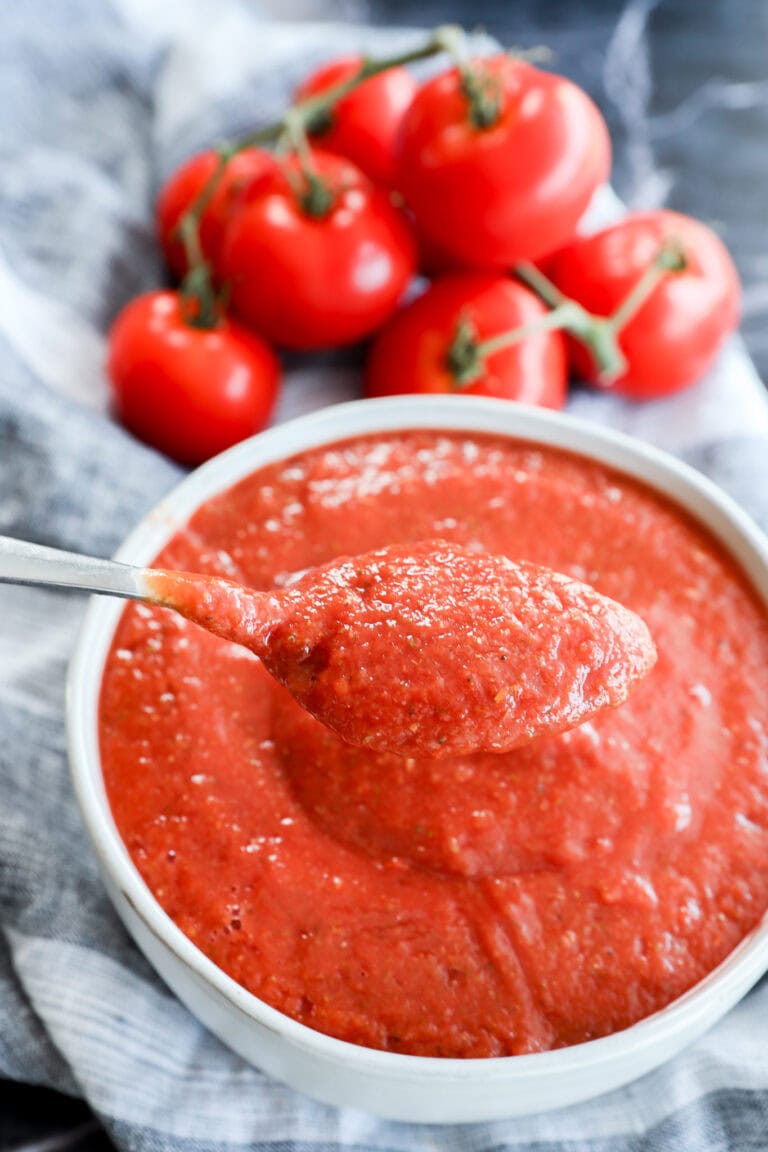
More sauces to explore: Orange Curd, Best Pizza Sauce, Pistachio Pesto, and Chipotle Ranch Salad Dressing.
faqs
What is tomato chutney?
Tomato chutney is a cooked condiment made by reducing tomatoes with aromatics, spices, acid, and usually some form of sweetness. This version falls somewhere between a chunky sauce and a relish, with smoky green chiles and honey added to the blend. There are many different chutney recipes, so the ingredients and cooking techniques can vary significantly from one recipe to another.
Is this the same as South Indian tomato chutney?
No. South Indian tomato chutney is a different style often served with idli, dosa, rice, and other Indian breakfasts. These chutney recipes may use red chilies, curry leaves, urad dal or black gram, mustard seeds, asafoetida, and other spices, which are sometimes tempered in oil before the ingredients are blended.
How do I know when tomato chutney is done?
Look at the chutney rather than relying solely on cooking time. It should have reduced by roughly a quarter, changed to a deep, rich red, and thickened to a store-bought relish consistency. If you still see a lot of watery liquid, continue simmering and stir more frequently as it gets thicker.
Can I use canned green chiles?
Yes. Drain canned green chiles well before adding them to the other ingredients. They are generally much milder than freshly roasted Hatch or Pueblo chiles, so your finished homemade tomato chutney won’t have quite as much smoky chile flavor.
How long does tomato chutney last?
Homemade tomato chutney keeps in an airtight jar in the refrigerator for up to 2 weeks. For longer storage, freeze it in portions for up to 3 months. Silicone ice cube trays work great for smaller portions you can pull out as needed. This recipe is not designed for shelf-stable canning, so always store it in the fridge or freezer.
Need more inspiration for a summer recipes? Check out my seasonal recipes page!
what to serve with this Tomato Chutney
At breakfast, spoon the chutney over scrambled eggs or tuck it into a breakfast burrito. The tangy tomatoes and smoky green chiles are especially good with some Instant Pot Poached Eggs, cheese, and crispy potatoes.
For an appetizer, add a small bowl of chutney to a cheese board with brie or aged cheddar and crackers. You can also put it out with chips when you want a chunky salsa alternative.
For dinner, serve it with grilled full chicken, pork chops, or fish. A spoonful is enough to add tomato, chile, and lime flavor without covering up the main dish. It’s also delicious spooned over rice, served with lentils, or paired with grilled meat or vegetables.
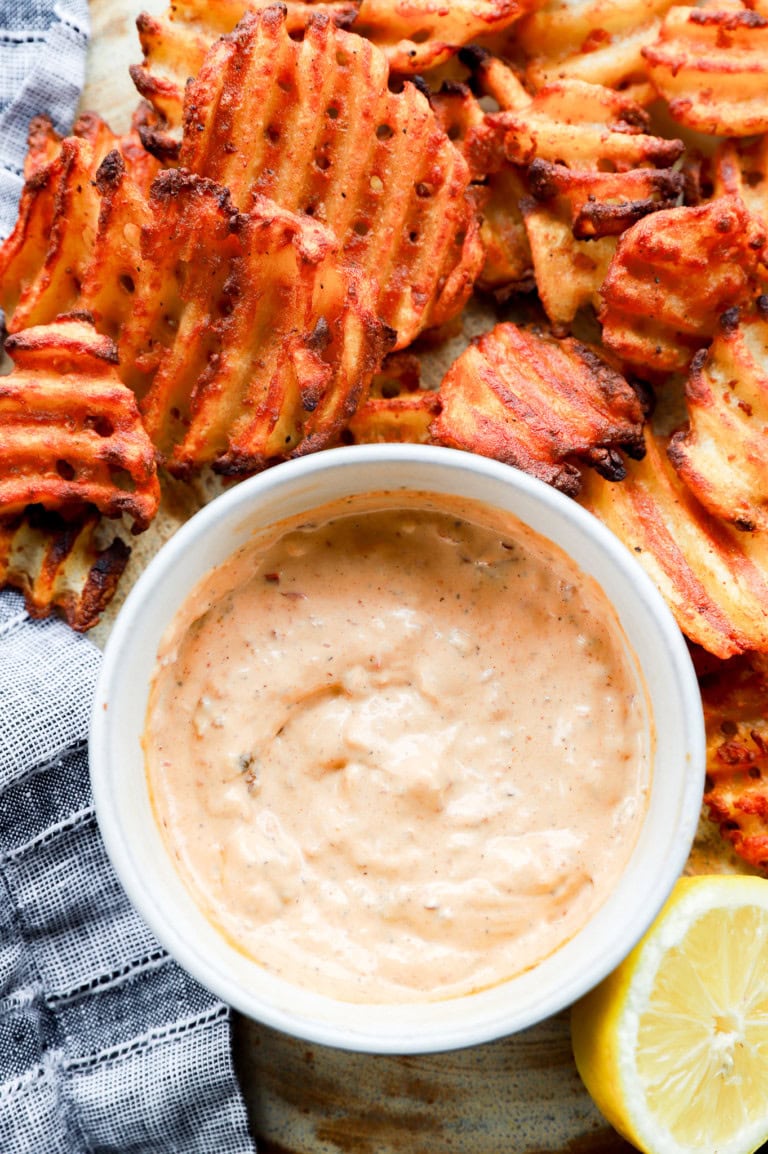
It’s also an easy topping for shredded beef tacos and burrito bowls. For lunch, spread it onto a sandwich or burger in place of ketchup or relish. It’s also a fun alternative to ketchup for dipping fries. Leftovers make this especially convenient because you can pull the jar straight from the refrigerator and add it wherever you want a punchy tomato condiment.
For Southwestern-inspired meals, this Hatch green chile tomato chutney is especially good spooned over chicken enchiladas, breakfast tostadas, or huevos rancheros. The roasted chile flavor ties everything together and adds a punch of tomato-chile brightness.
How to Store
Refrigerate: Store the cooled tomato chutney in an airtight jar or container in the refrigerator for up to 2 weeks.
Freeze: For longer storage, freeze the chutney in portions for up to 3 months. Silicone ice cube trays work great for smaller portions you can pull out as needed. Once frozen solid, transfer the cubes to a freezer bag and label with the date. Thaw overnight in the fridge before using.
Reheating: Serve the chutney cold, at room temperature, or gently warmed. If you want to warm it, do so over low heat on the stovetop or in short bursts in the microwave, stirring between each. Avoid boiling the reheated chutney or the lime juice will lose its bright flavor.
more tomato recipes to try
My tomato onion salad is a great choice when you have fresh tomatoes but don’t feel like turning on the stove. It’s a simple way to keep ripe tomatoes front and center instead of cooking them down.
When you’re craving something cozy, make this Instant Pot tomato soup. It’s another handy tomato recipe to keep around for cooler days, especially when you want a warm bowl rather than a condiment.
These tomato puff pastry tarts turn tomatoes into a flaky baked appetizer. They’re a fun option for entertaining and give you another way to make the most of tomato season.

the secret to cocktails everyone will ask about
A juicy free guide to the brightest fruits, fresh herbs, and easy upgrades for summer cocktails. Plus a mix-match-muddle chart with combos that taste like summer.
Finally, if you make this tomato chutney recipe, please be sure to give this recipe a star recipe rating on the recipe card and/or leave a comment! I love to hear when you all make recipes, and I do take the time to respond to every single comment.
Feel free to drop questions below too, if you have them!
Oh and be sure to tag me on Instagram, Facebook, or Pinterest if you make the recipe! I love being able to see these recipes come to life in your homes – it’s my favorite thing to look through those photos. It really means the world to me!
Want to know when I come out with a new recipe or the latest news? Sign up for my newsletter to get them straight to your inbox!
Tomato Chutney
equipment
- Large saucepan or skillet
- Sharp knife and cutting board
- Wooden spoon or heat-safe spatula for stirring
- Airtight jars or containers for storing
ingredients
- 5 cups tomatoes finely diced (about 1½ lbs)
- 1/2 yellow onion finely diced
- 3/4 cup roasted peeled, and chopped green chiles (Hatch or Pueblo recommended — see note)
- 3 garlic cloves finely minced
- 2 Tbsp apple cider vinegar
- 1/4 cup honey
- 1/2 tsp ground cumin plus more to taste
- 3/4 tsp kosher salt plus more to taste
- 1/4 tsp paprika plus more to taste
- 1/4 tsp freshly cracked black pepper
- Juice of 1 lime
instructions
- Add the tomatoes, onion, green chiles, garlic, apple cider vinegar, honey, cumin, salt, paprika, and black pepper to a large saucepan or skillet. Stir to combine.
- Bring to a simmer over medium heat, stirring every couple of minutes to prevent the bottom from catching.
- Continue cooking for 30 to 45 minutes, stirring regularly, until the mixture has reduced by about a quarter and thickened to a relish-like consistency. It should be deeply red and noticeably thicker than when you started.
- Remove from heat and stir in the lime juice. Taste and adjust salt, pepper, cumin, and paprika as needed.
- Serve warm, or cool completely and transfer to an airtight container. Refrigerate until ready to use.
video
notes
- Fresh roasted Hatch or Pueblo green chiles are recommended for the best smoky flavor. Both are typically available August through September at grocery stores like Whole Foods, Sprouts, and King Soopers.
- If you can’t find fresh chiles, substitute two 4-ounce cans of diced green chiles, drained. The result will be milder.
- Look for ripe tomatoes that feel heavy for their size for the best flavor and shortest cook time.
- Add the lime juice AFTER removing the pan from heat to preserve its fresh, bright flavor.
- Store in the refrigerator for up to 2 weeks or freeze in portions for up to 3 months.
- This chutney gets even better after a day or two in the fridge as the flavors meld together.
nutrition

about meghan
Meghan Yager is the recipe developer, food photographer, and creative force behind Cake ‘n Knife, where everyday moments are celebrated with bold, flavor-forward recipes. From cozy cocktails to bold appetizers and indulgent desserts, her approachable style brings people together around food worth sharing. Meghan’s work has been featured by Good Housekeeping, Oprah Daily, Today, Woman’s Day, and The Huffington Post. She lives in Denver, where she brings big flavor and a little sass to every bite.