Please note this post contains affiliate links.
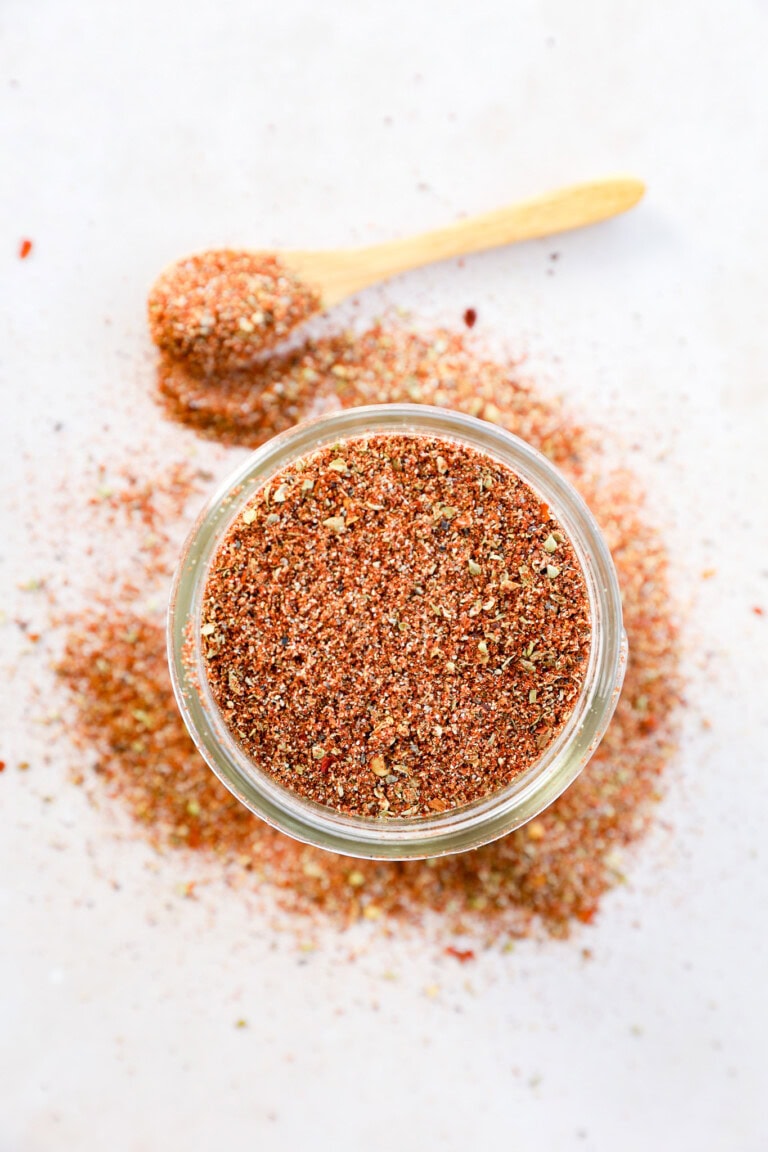
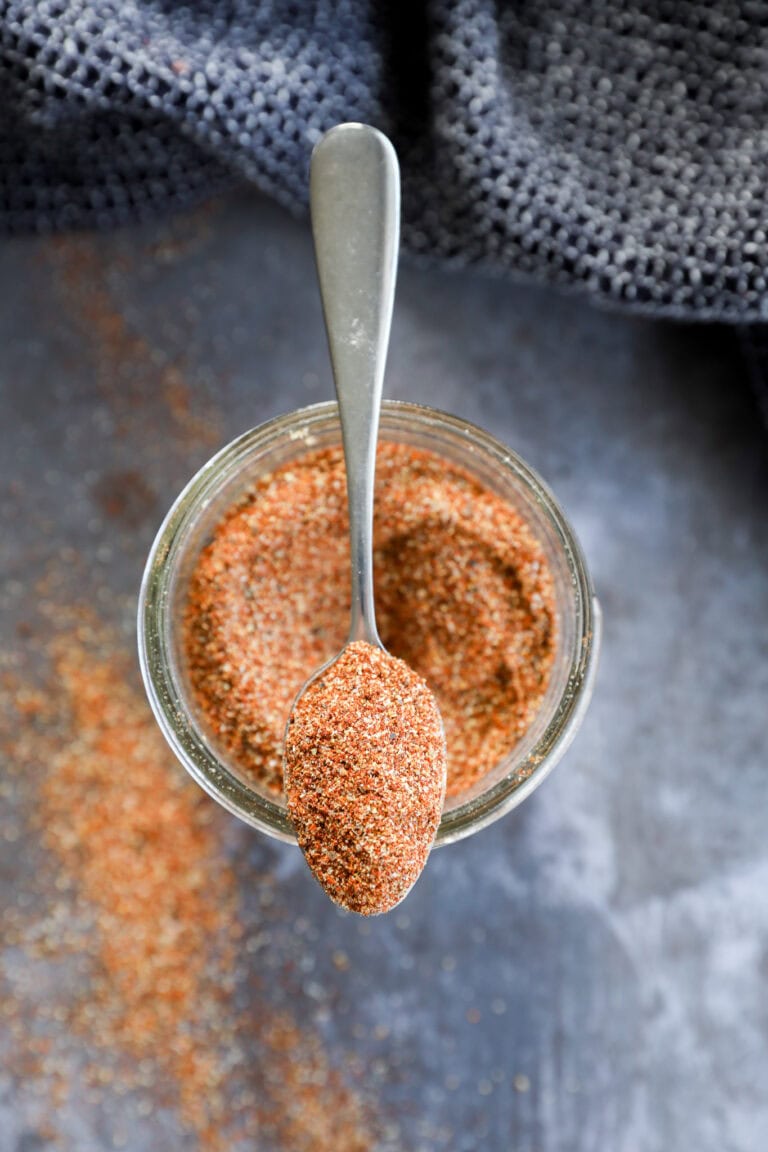
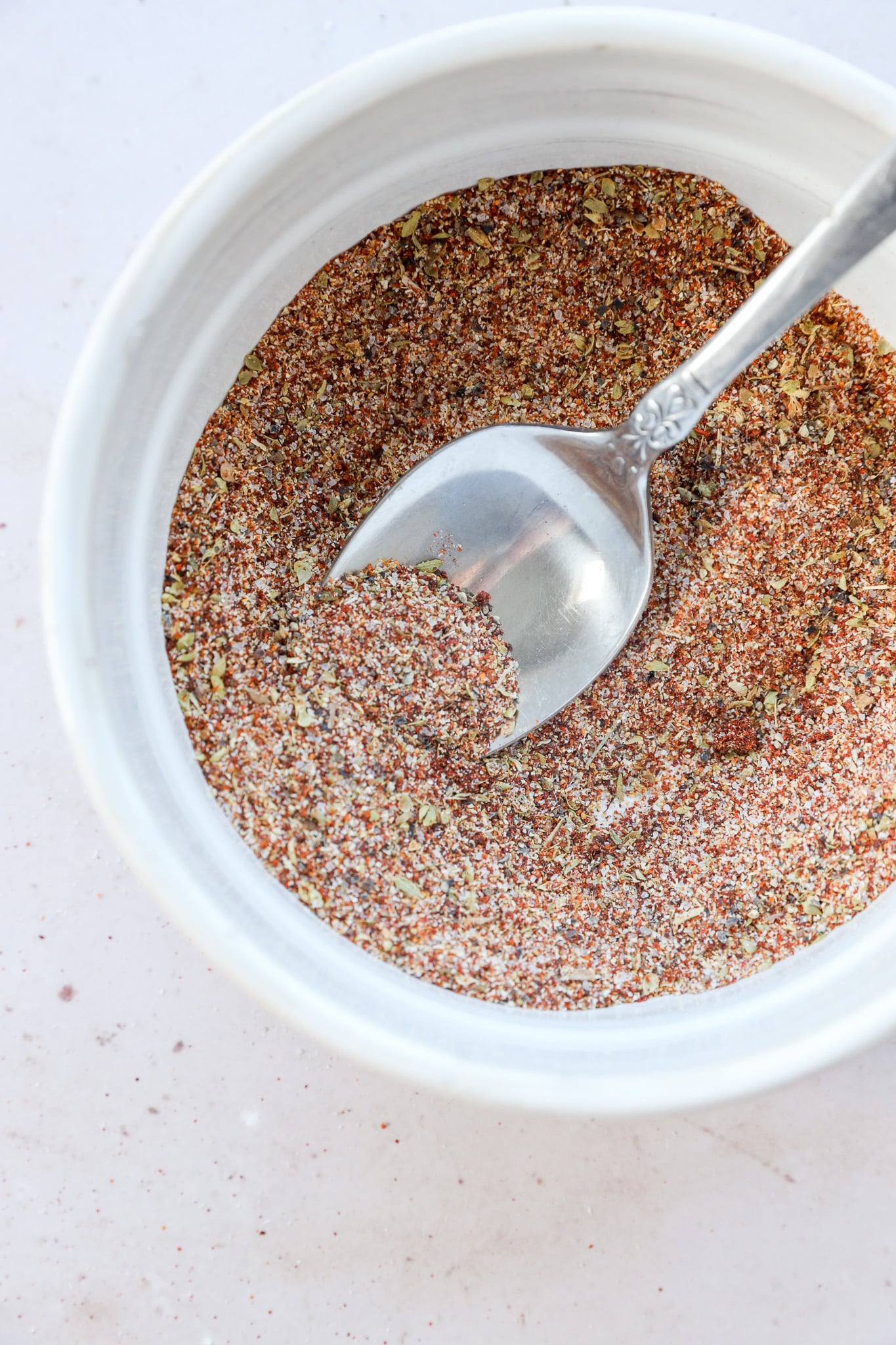
This homemade carne asada seasoning comes together in 5 minutes with 9 pantry spices you probably already have. Smoky, earthy, slightly citrusy, with just enough heat, it’s the rub you’ll reach for every time you fire up the grill. Use it straight as a dry rub or whisk it with oil and citrus for a quick marinade.
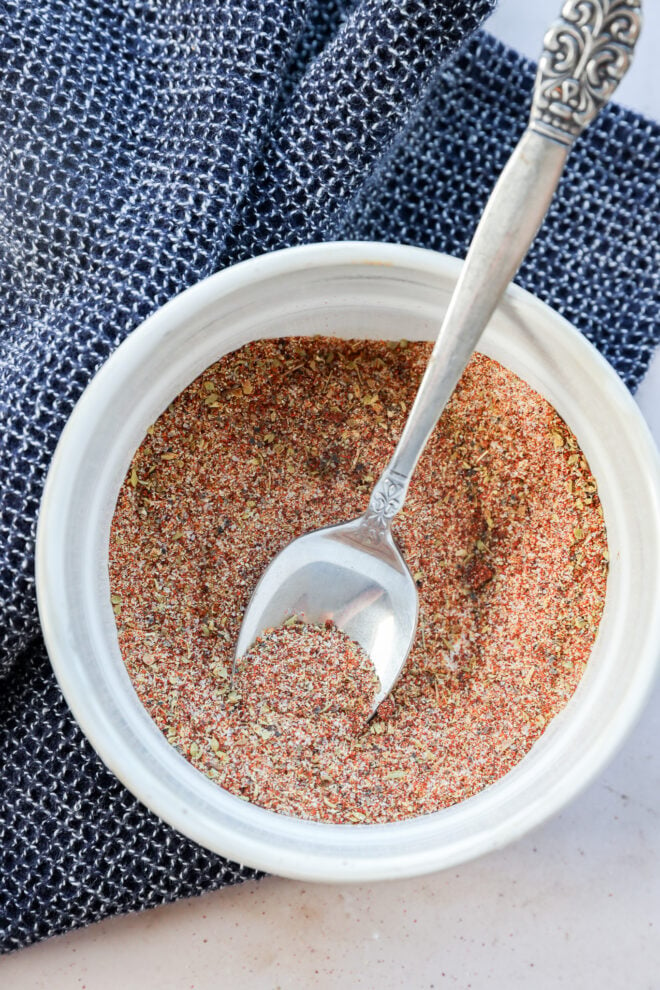
About this Carne Asada Seasoning Recipe
If you’ve ever grabbed a carne asada seasoning packet at the store and flipped it over, you probably noticed it’s more filler than flavor. This homemade version is nine pantry spices, nothing else. No anti-caking agents, no preservatives, no mystery ingredients you can’t pronounce.
I started making my own after getting tired of paying for packets that were mostly salt. Once I had my own jar mixed up, I could control the heat, dial in the salt to my taste, and actually taste the spices instead of whatever filler was padding out the store-bought stuff.
Carne asada is grilled, marinated beef, usually skirt steak or flank steak, sliced thin for tacos, burritos, or served straight off the grill. The seasoning is really what makes it taste like carne asada instead of just grilled meat, and Mexican oregano is the ingredient doing most of that work. It’s earthier and more citrusy than the oregano you’d use on pizza, and it’s the difference between this tasting like an authentic Mexican spice blend and tasting like a generic steak rub.
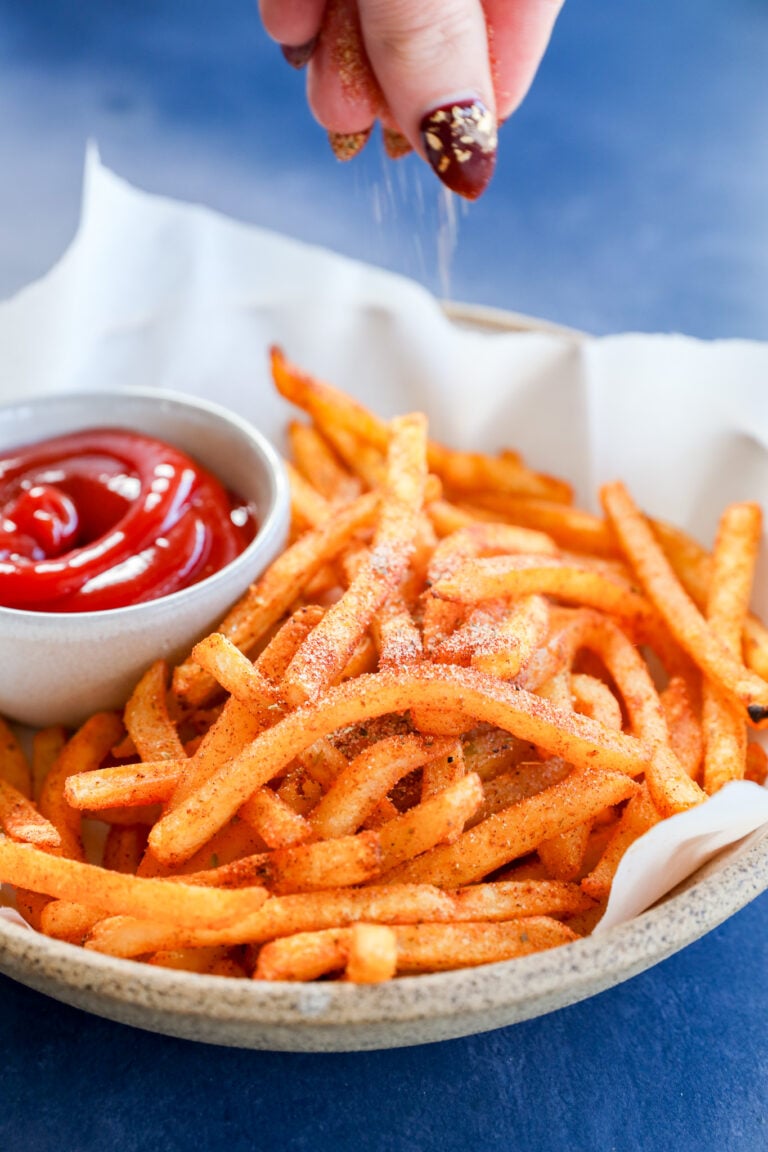
This carne asada spice blend doesn’t stop at steak, either. I use it on chicken, shrimp, roasted vegetables, and stirred into sour cream for a quick dip. Once it’s in your pantry, you’ll reach for it constantly.
Why You’ll Love This Recipe
- Just 9 pantry spices, no fillers or anti-caking agents.
- Ready in 5 minutes, start to finish.
- You control the salt and heat completely.
- Works as a dry rub or a marinade base.
- Way cheaper than the store-bought packets.
- Doubles and triples easily for a bigger batch.
- Good on way more than just steak.
- The Mexican oregano gives it authentic flavor you won’t get from generic packets
- Doubles as a dry rub for steak or a marinade base for grilling
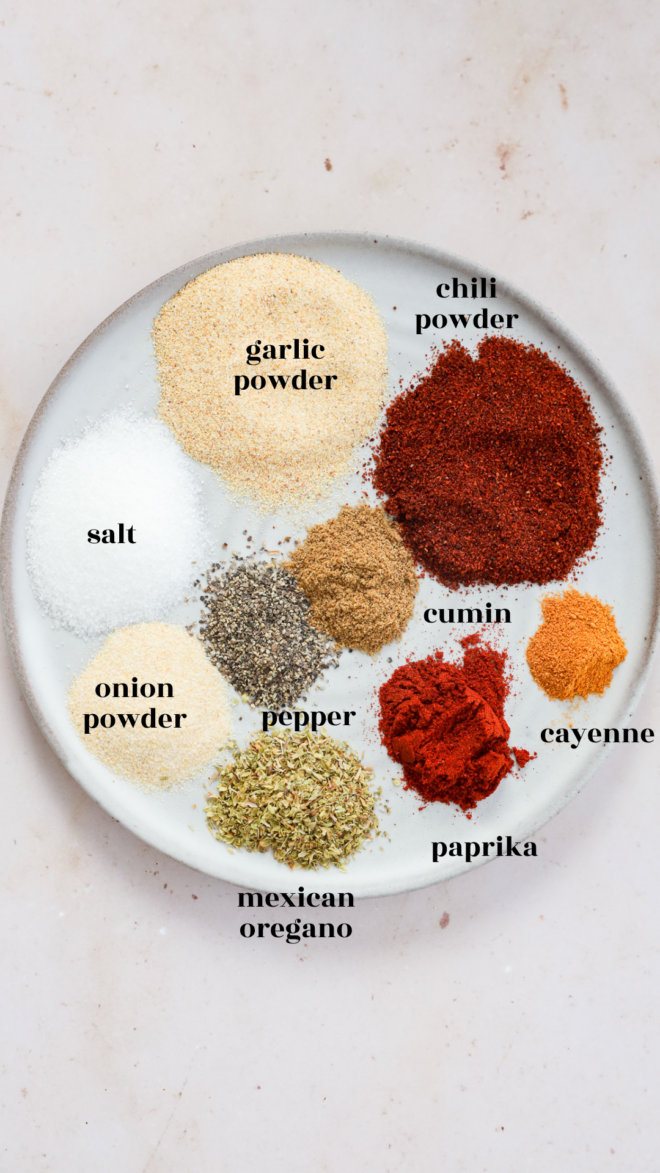
ingredients
Chili Powder. This is the backbone of the blend and gives it that classic, savory flavor. A blended chili powder works best here, though ancho or guajillo powder on their own are fine substitutes if that’s what you have.
Mexican Oregano. This type of oregano is the ingredient that makes this taste like real carne asada seasoning instead of a generic steak rub. It’s actually a different plant from the Mediterranean oregano in your spice rack (they’re not related botanically), with a more earthy, citrusy flavor. Look for it in the Latin foods aisle at most grocery stores or at a Latin market. Regular oregano can substitute in a pinch, but the flavor shifts noticeably.
Smoked Paprika. Smoked paprika brings a deep, campfire-like smokiness that regular paprika just doesn’t have, which matters a lot if you’re cooking indoors on a stovetop instead of over an actual grill. Regular paprika still works for color and mild flavor, but you’ll lose that smoky depth.
Ground Cumin. Cumin adds an earthy, warm note that’s all over Mexican and Tex-Mex cooking. Toasting and grinding whole cumin seeds yourself will give you an even more pronounced flavor if you want to go the extra mile.
Cayenne or Ground Chile de Árbol. This is the optional heat-builder, so skip it entirely if you’re cooking for people who don’t love spice. Ground chile de árbol is the more traditional swap if you want a Mexican heat profile closer to what you’d get at an actual taco stand.
Additional basic spices including salt, black pepper, garlic powder, and onion powder.
this recipe’s must-haves
A small mixing bowl is all you need to bring this together. A whisk or fork helps break up any clumps, so the blend is evenly distributed instead of sitting in streaks.
Once it’s mixed, an airtight jar or spice container with a tight-fitting lid keeps moisture out and helps it stay fresh for months instead of weeks. If you’re planning to turn it into a marinade, keep a bowl or zip-top bag handy too.
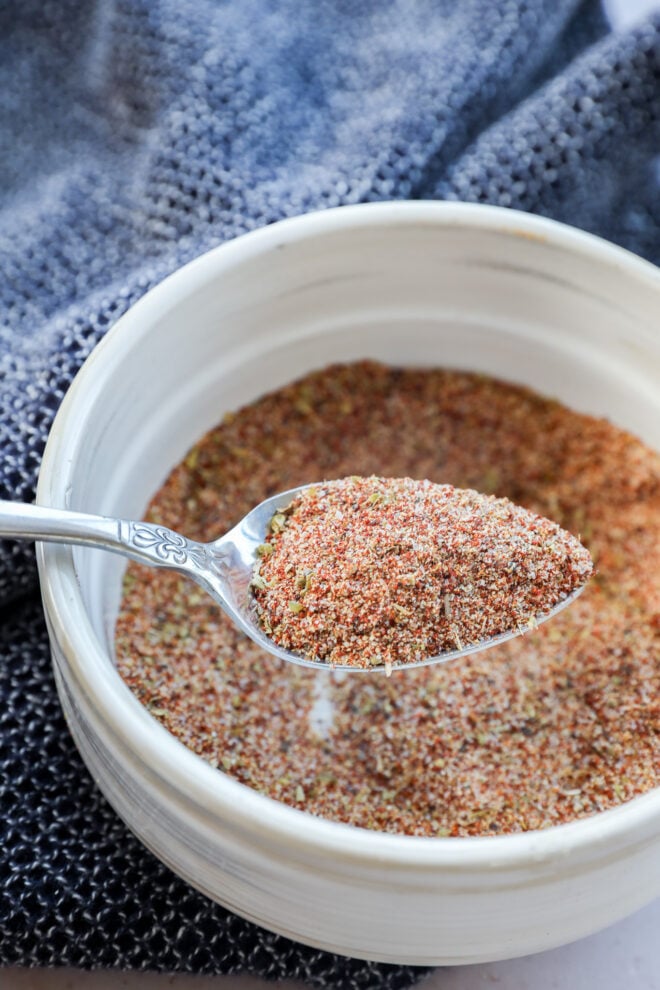
how to make this Carne Asada Seasoning
Mix
Add the chili powder, garlic powder, salt, onion powder, Mexican oregano, smoked paprika, black pepper, cumin, and cayenne (if using) to a small bowl. Whisk or stir until fully combined with no streaks of one spice sitting on top of another. This takes about 1-2 minutes. Break up any clumps from the dried herbs with the back of a spoon as you mix.
Store
Transfer the finished carne asada spice blend to a clean, completely dry, airtight container. Keep it in a cool, dark spot and use within 6 months.
Turn It Into a Marinade
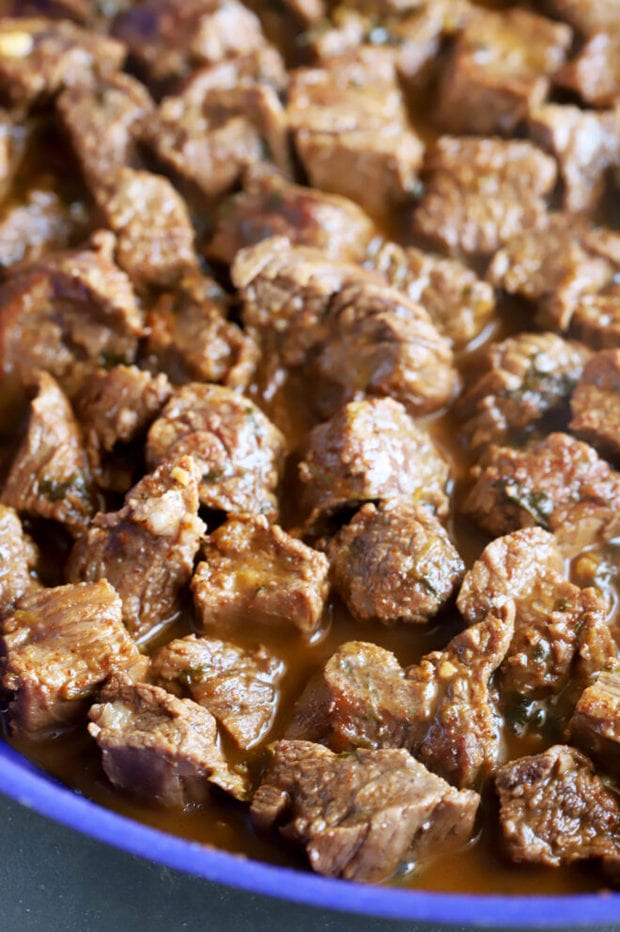
Whisk about 2 tablespoons of the seasoning with 3 tablespoons olive oil, the juice of 1 lime, and a splash of orange juice. Add your meat, coat it well, and marinate in the fridge for at least an hour, or overnight for deeper flavor. A splash of soy sauce or some chopped cilantro is a good addition here, too.
Tips for Success
- Whisk instead of stir; it breaks up clumps better and gets a more even blend.
- Seek out real Mexican oregano if you can find it. The flavor difference is noticeable.
- Keep your storage jar completely dry. Moisture causes clumping and shortens shelf life.
- Taste the blend before using it so you can adjust the salt ahead of time.
- Use about 1 to 1½ tablespoons per pound of meat as a starting point.
- Make a double or triple batch. It keeps well, and you’ll go through it fast.
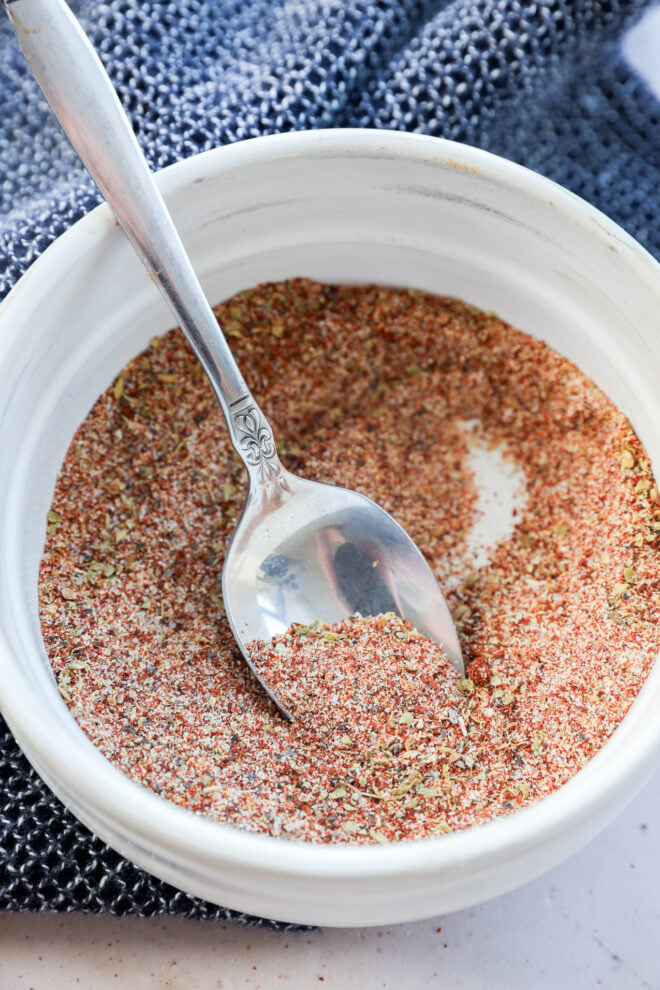
variations
Swap the cayenne for ground chile de árbol if you want a more traditional Mexican heat profile. It’s a slightly earthier heat than cayenne and closer to what you’d find in an authentic marinade.
Add a teaspoon of dried coriander for an extra layer of citrusy warmth that plays well with the Mexican oregano already in the blend. A small pinch of cinnamon is worth trying too, especially on skirt steak. It sounds unexpected, but it adds a subtle depth that works surprisingly well with the smoked paprika.
For a brighter, more citrus-forward version, stir in a teaspoon of crystallized lime powder or dried lime zest along with the other spices. It’s a small addition, but it’s especially good if you’re using this as a dry rub rather than a wet marinade.
If you’re watching sodium, cut back on the salt in the blend and season your dish separately as you cook. That way you still get all the flavor with more control over the final result.
More Mexican-Inspired Recipes To Try: Mexican Chicken Marinade I Short Rib Mexican Skillet Pie I Fried Mexican Potatoes I Grilled Mexican Street Corn Crostini
faqs
Can I use this as a marinade instead of a dry rub?
Yes. Whisk it with olive oil and citrus juice (lime, orange, or both) and marinate your meat in the fridge for at least an hour, or overnight for more flavor. The dry rub is faster if you’re short on time; the marinade is worth it if you can plan ahead.
Can I use this on something other than beef?
Yes, this blend works great on grilled chicken, shrimp, fish, and roasted vegetables like zucchini, corn, or peppers. It’s also good mixed into taco fillings or stirred into sour cream or mayo for a quick dip.
How much should I use per pound of meat?
About 1 to 1½ tablespoons per pound as a dry rub. Use a little less if you’re mixing it into a marinade with other liquids.
What’s the difference between carne asada seasoning and taco seasoning?
Carne asada seasoning is built around Mexican oregano, smoked paprika, and cumin for that authentic grilled beef flavor, and it’s generally lower in salt than taco seasoning. Taco seasoning tends to be sweeter and more heavily salted, with less emphasis on smoky and citrusy notes. Both use similar base spices, but the ratios and flavor profiles are noticeably different.
Can I use this carne asada seasoning without Mexican oregano?
Yes, you can substitute regular (Mediterranean) oregano if you can’t find Mexican oregano, but the flavor won’t be as authentic. Mexican oregano has more earthy, citrusy notes that regular oregano doesn’t have. If you have to substitute, use the same amount of Mediterranean oregano and add a small pinch of dried lemon zest or extra lime juice to compensate.
Need more flavor inspiration? Check out my spices page!
How To Use Carne Asada Seasoning
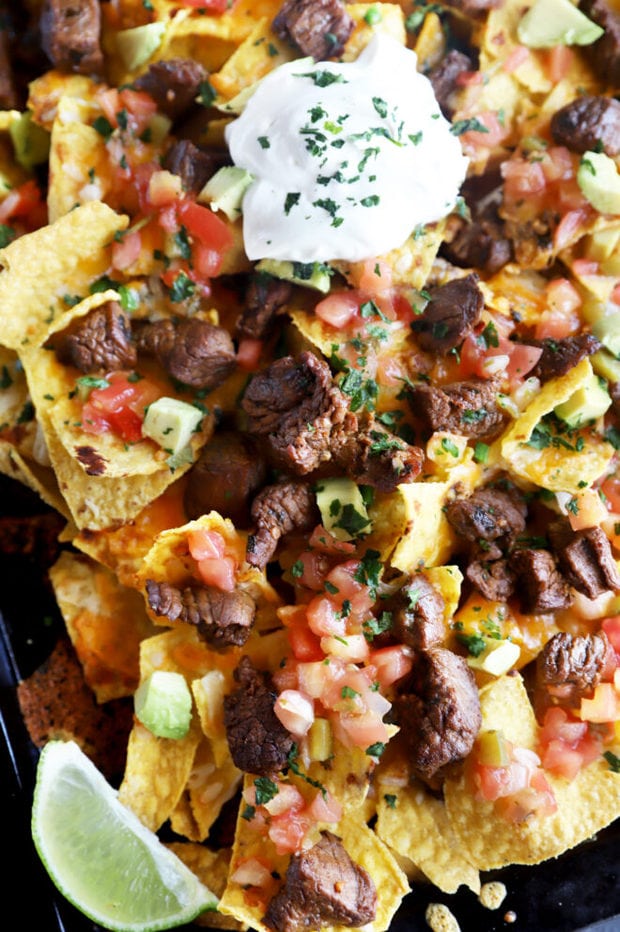
This carne asada seasoning was built for skirt steak, flank steak, and flap meat, but it’s just as good on any type of poultry such as grilled chicken thighs or breasts, and it turns plain shrimp or fish into something you’d want in a taco. If you’ve got a mix of proteins on the grill, one jar can season all of them.
It works well outside of meat, too. Toss it with zucchini, corn, or peppers before roasting, or mix it into taco and burrito fillings for extra flavor without a separate sauce. I’ve used it as a spice rub for pork and lamb, and stirred into sour cream or mayo, it turns into a dip that’s good for just about anything.
How to Store
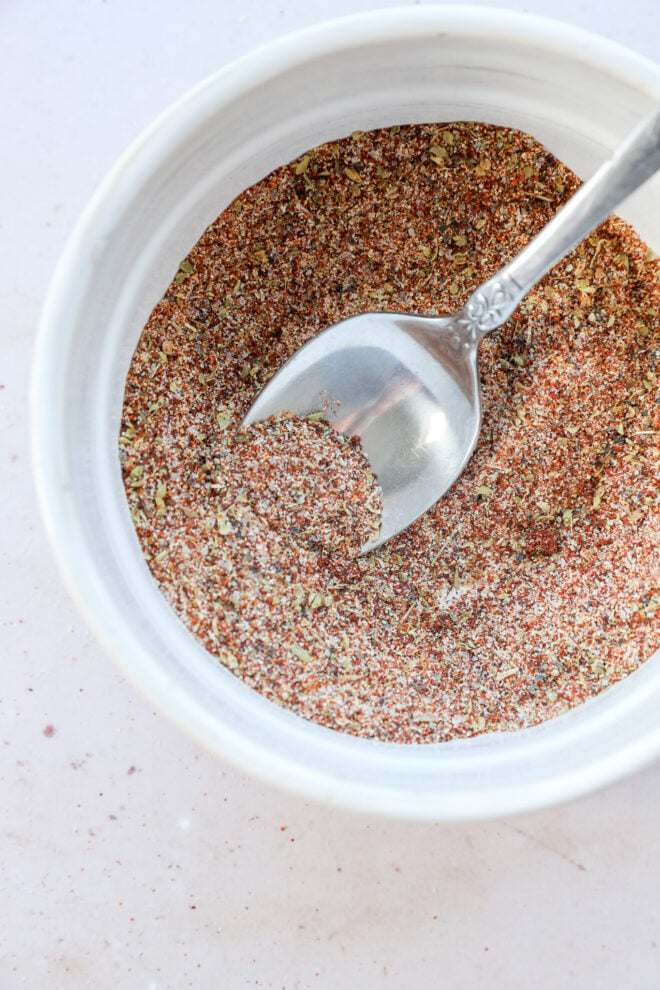
Store this carne asada seasoning in an airtight glass jar or spice container. Glass holds up better long term and doesn’t absorb flavors.
Keep the jar in a cool, dry place away from heat and direct sunlight. The cabinet across from your stove (not next to it) is ideal. Heat and light degrade spices quickly.
Properly stored, this blend stays fresh for up to 6 months. After that, the spices start losing their potency and the flavor fades.
More Homemade Spice Mixes To Make
If you like keeping your pantry stocked, my Southwest Spice Mix is another one worth making. It’s a little smokier and great on roasted vegetables and grilled corn.
My Garlic Herb Seasoning is my go-to for chicken and potatoes when I want savory flavor without heat.
And my Chili Lime Seasoning is fantastic on fruit, shrimp, and grilled vegetables, and just as easy to throw together as this one.
Finally, if you make this carne asada seasoning recipe, please be sure to give this recipe a star recipe rating on the recipe card and/or leave a comment! I love to hear when you all make recipes, and I do take the time to respond to every single comment.
Feel free to drop questions below too, if you have them!
Oh and be sure to tag me on Instagram, Facebook, or Pinterest if you make the recipe! I love being able to see these recipes come to life in your homes – it’s my favorite thing to look through those photos. It really means the world to me!
Want to know when I come out with a new recipe or the latest news? Sign up for my newsletter to get them straight to your inbox!
Carne Asada Seasoning
equipment
- small mixing bowl
- Whisk or fork
- Airtight jar or spice container for storage
ingredients
- 1 Tbsp chili powder
- 1 Tbsp garlic powder
- 2 tsp salt or to taste
- 1 tsp onion powder
- 1 tsp Mexican oregano
- 1 tsp smoked paprika
- 1/2 tsp black pepper
- 1/2 tsp ground cumin
- 1/2 tsp cayenne or ground chile de árbol optional, for heat
instructions
- Add all ingredients to a small bowl and stir or whisk until well combined.
- Transfer to a clean, dry airtight container and store in a cool, dark place. Use within 6 months.
notes
- Mexican oregano: Earthier and more citrusy than Mediterranean oregano — worth seeking out if you can find it. Look in the Latin foods aisle or at a Latin grocery store. Regular oregano can substitute, but the flavor will be slightly different.
- Heat level: Omit the cayenne for mild, use 1/4 tsp for a gentle kick, or the full 1/2 tsp for noticeable heat. Ground chile de árbol is a great swap for a more traditional Mexican heat profile.
- How much to use: About 1 to 1½ tablespoons per pound of meat as a dry rub.
- Marinade option: Combine 1½ Tbsp of the seasoning with 3 Tbsp olive oil and the juice of 1 lime for a quick wet marinade. Add a splash of orange juice or soy sauce for extra depth.
- Storage: Keep in a completely dry, airtight container away from heat and humidity. Stays fresh up to 6 months.
- Yield note: Recipe makes approximately 4 tablespoons — double or triple the batch for a larger jar.
nutrition

about meghan
Meghan Yager is the recipe developer, food photographer, and creative force behind Cake ‘n Knife, where everyday moments are celebrated with bold, flavor-forward recipes. From cozy cocktails to bold appetizers and indulgent desserts, her approachable style brings people together around food worth sharing. Meghan’s work has been featured by Good Housekeeping, Oprah Daily, Today, Woman’s Day, and The Huffington Post. She lives in Denver, where she brings big flavor and a little sass to every bite.